
The Thing No One Talks About: When Men Are on the Receiving End
Exploring the hidden reality of men experiencing harm in their own relationships

Starting With What’s True
When we talk about domestic and family violence in Australia, we need to begin with clarity. Women are disproportionately affected, and the severity and frequency of violence against women is a national crisis. According to the Australian Bureau of Statistics, around 1 in 4 women have experienced violence by an intimate partner since the age of 15.
That reality must remain central to the conversation.
At the same time, there is another part of the picture that is rarely spoken about. The same data shows that approximately 1 in 16 men have experienced physical or sexual violence from a partner, and that figure does not fully account for the emotional, psychological, and controlling behaviours that often define these relationships. What we are dealing with is not a competing narrative, but a more complete one.
The Silence Around Men
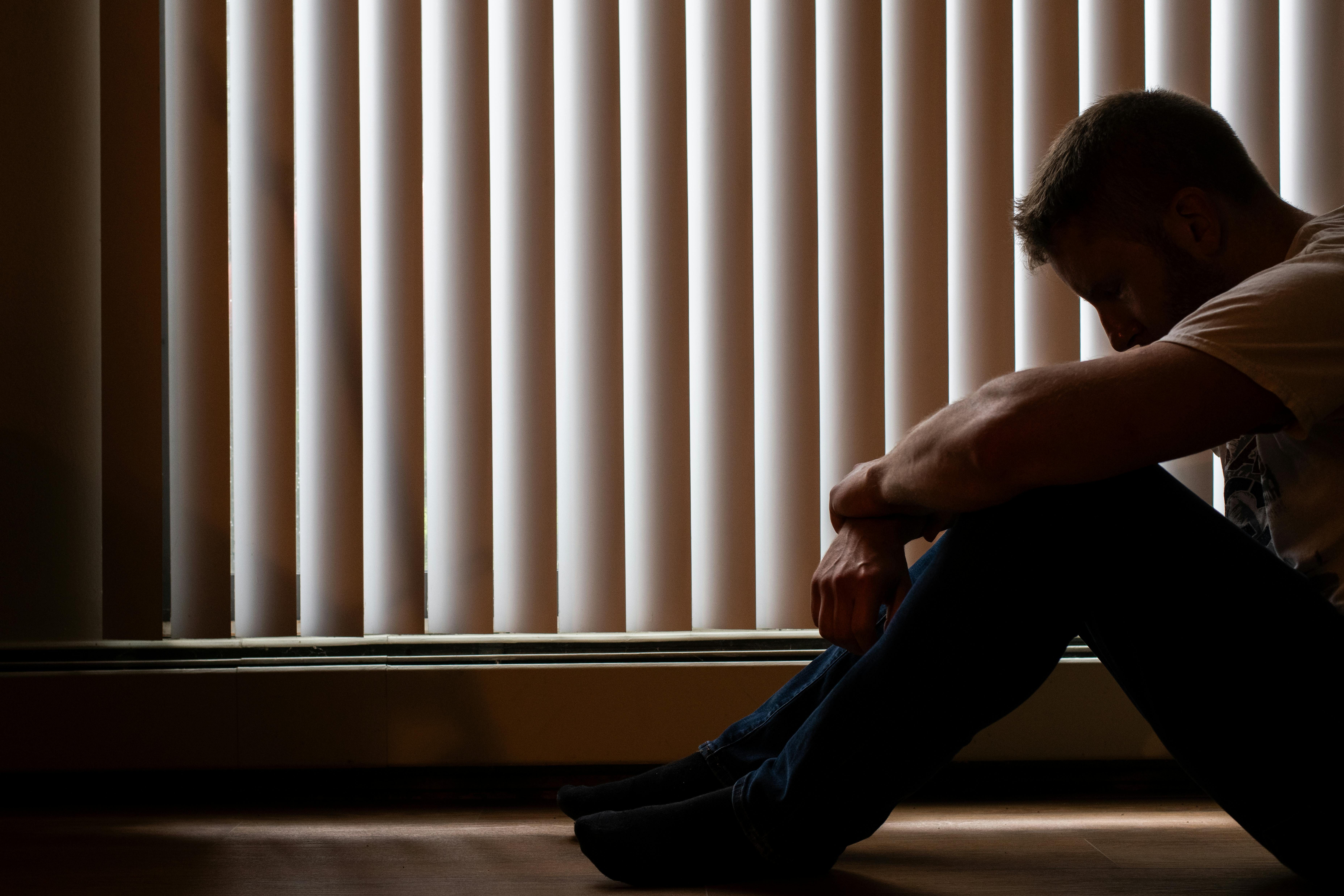
For many men, there is no clear pathway to speak about these experiences. There is a sense that they won’t be believed, or that they should have been able to handle it, or that naming it somehow undermines the seriousness of violence against women. So instead, they minimise it, reinterpret it, or carry it quietly.
Over time, that silence becomes part of the problem. Without language, without support, and without spaces where their experience can be held responsibly, many men simply endure far longer than they should.
A Story That Reflects a Pattern
Recently on the Men Like Me podcast, we sat down with a man named David, who shared his experience of a relationship that became increasingly volatile over time. He entered that relationship the way most men do, with commitment, hope, and a genuine desire to build something meaningful.
There was also a strong sense of responsibility. Cultural expectations, faith, and personal values all reinforced the idea that when things get hard, you stay and you work it through. So when tension began to build, he didn’t step back. He leaned in further, trying to stabilise things and take responsibility for what was happening.
When It Starts to Turn
What unfolded was not a single moment, but a gradual shift. The relationship moved into cycles of conflict, apology, and temporary calm. There were extended periods of verbal abuse and emotional volatility, where things could escalate quickly and unpredictably.
At times, that volatility crossed into physical harm. There were moments where he found himself thinking about how it might look from the outside if someone heard what was happening inside the house, and whether he would be assumed to be the one at fault. Even in those moments, he did not label the situation as abuse. He understood it as stress, pressure, and something he needed to manage more effectively.
Why He Stayed
One of the more confronting aspects of this story is that he did not leave. This was not because the situation was minor, but because leaving did not feel like a legitimate option. He had made a commitment, and he took that seriously. Beneath that was a deeper belief that it was his role to hold things together, to absorb the pressure, and to find a way through.
For many men, that belief is deeply ingrained. It presents as loyalty and resilience, but in situations like this, it can keep a man locked into something that is steadily eroding him.
The Breaking Point
In the end, the relationship did not end because he made a clear decision to walk away. It ended when he came home to find his belongings packed and waiting for him. His first response was not anger or grief, but a sense of relief.
That response speaks to the level of strain he had been living under, and how long he had been operating in a state of survival rather than stability.
The Aftermath and Recovery
The period that followed was complex. There was ongoing contact, emotional swings, and a significant amount of guilt and confusion. He described feeling as though he had lost touch with who he was, and needing to slowly rebuild a sense of identity outside of the relationship.
Part of that process involved professional support, where he began to understand the physiological impact of what he had been living through. He had spent an extended period in a heightened state of stress, constantly bracing and trying to manage the emotional environment around him. It had become his baseline, and it took time to unwind.
Recovery was not immediate, but it was possible, particularly through the presence of supportive relationships, consistent care, and the willingness to engage with what had happened.
One of the more notable aspects of the way he reflects on the experience is the absence of bitterness. He does not minimise what occurred, but neither does he reduce his former partner to a caricature. Instead, he recognises that she was struggling in ways she could not manage, and that both of them were operating without the tools required to navigate the situation well.
Why This Conversation Matters
This conversation is not about comparison, nor is it about shifting attention away from women. It is about acknowledging that the reality of domestic and family violence is more complex than a single narrative can hold.
If we are serious about addressing harm in relationships, then we need to create space for all experiences to be named responsibly. At present, many men do not have that space, and as a result, their experiences remain largely invisible.
For any man who recognises something of his own experience in this, it is important to understand that you are not alone, and you are not expected to carry it in isolation. There are people who will take your experience seriously, and there are pathways toward support and recovery.
In many cases, the first step is not solving the situation, but simply finding the courage to tell the truth to someone who can hear it.
Where to Reach Out
If this has brought something up for you, there are places you can go where you’ll be met with respect and confidentiality.
You can contact MensLine Australia (1300 78 99 78), a national 24/7 service offering support for men dealing with relationship challenges, family violence, and emotional wellbeing.
You can also reach out to the Centre for Men and Families (CFMF). We offer counselling, men’s circles, and spaces where you can speak honestly about what’s going on, without judgement and without having to carry it on your own.
You don’t need to have it all figured out before you reach out. You just need to start the conversation.