
What Do We Do With the Things That Wound Us?
Pain changes us. The question is what we pass on.

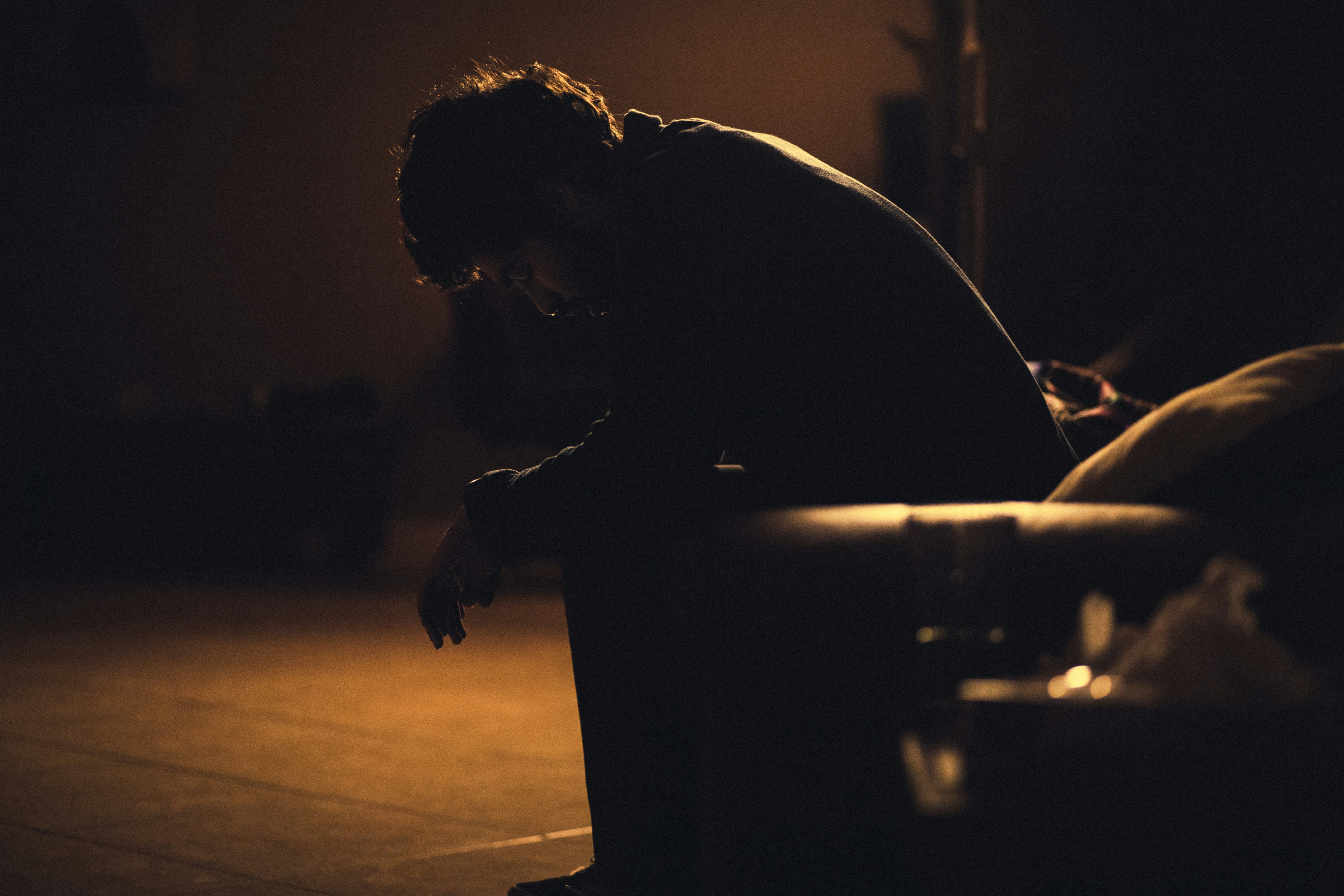
I have become disturbingly good at being the husband of a cancer patient.
I realised this today as I walked through the hospital while my wife was having her next round of chemotherapy. I wasn’t looking at the signs. I wasn’t checking the map on the wall or wondering which lift we needed. I just knew where I was going.
I know where to park and which entrance is easiest. I know the quickest way to the oncology ward. I know where the toilets are, where to find something vaguely resembling coffee, and which chairs are best if you’re going to be sitting around for a few hours. I recognise the nurses now, and some of them recognise us.
I never set out to learn any of this. It just happens when you keep coming back to the same place. After enough appointments, scans, treatments and long days sitting around waiting, you stop looking at the signs. You just know where to go.
Except this isn’t a favourite restaurant or the local shopping centre.
It’s the cancer centre.
A few years ago, I couldn’t have told you where the oncology ward was. I barely knew what chemotherapy involved beyond the bald heads and IV poles I’d seen in movies. Cancer belonged to other families then. Hospitals were places I occasionally visited, usually carrying flowers for other people, before returning to my normal life.
Now I can walk these corridors on autopilot. I honestly think you could put a blindfold on me, I would still be able to find my way to the cafeteria on Level 2.
And as I did that today, I found myself thinking about the strange things life teaches us. There are places we become experts in that we never wanted to visit in the first place. There are words we learn because someone we love gets sick. There are routines that become ordinary even though nothing about them should ever feel ordinary.
Somehow, though, we learn our way around.
Things I Wish I Didn’t Know
Of course, knowing my way around the hospital isn’t the only thing I’ve learned over the past few years.
I know far more about cancer than I ever wanted to know. I know what CEA levels are and why a small movement in a number can suddenly matter so much. I know that a PET scan can be both the thing you’re desperate to have and the thing you’re terrified of having. I know that chemotherapy isn’t one thing, but a whole collection of drugs with names I once couldn’t pronounce and now hear without blinking. I know their side effects too.
I’ve also learned how quickly your world can shrink.
There have been seasons when our lives seemed to revolve around appointments, blood tests, scans, surgeries and treatment cycles. You start measuring time differently. There is the week before the scan and the week after it. There are good chemo weeks and bad chemo weeks. There are stretches when you almost forget about cancer for a few hours, followed by moments when it comes crashing back into the room.
None of this is knowledge I wanted.
Given the choice, I would happily hand it all back.
But I can’t.
And that’s true of most of the painful things that happen to us. We don’t get to return them when they’re finished. They become part of us. The divorce, the grief, the betrayal, the diagnosis, the failure, the season when everything fell apart. Even when life moves on, we don’t go back to being the person we were before.
For a long time, I think I assumed healing meant getting as close to that person as possible.
I’m not so sure anymore.
What the Wound Leaves Behind
I don’t want to make cancer sound like some kind of gift.
It isn’t.
If someone offered to take all the wisdom I’ve supposedly gained over the past few years in exchange for my wife never having cancer, I’d take the deal before they’d finished the sentence.
Cancer has been shit. There is no other way to say it.
It has taken time from us. Energy. Plans. Money. Sleep. There have been holidays organised around treatment cycles, family events interrupted by hospital stays, and far too many conversations about things most couples our age shouldn’t have to talk about yet.
So I’m wary of trying to find some grand purpose in it all.
But I can’t deny that it has changed me.
I notice things I didn’t notice before.
When someone tells me their wife is sick, I don’t immediately reach for something encouraging to say. When a friend tells me they’re waiting on test results, I have some idea what that waiting might be like. When somebody disappears for a while, cancels plans, doesn’t reply to a message or generally seems to be doing a pretty ordinary job of holding life together, I’m less likely to assume they’re flaky or rude.
Maybe they’re just trying to get through Tuesday.
And I’ve become much less impressed by clever answers to painful questions.
I used to have plenty of those.
Spend enough time in hospitals and you realise how useless some of the things we say to suffering people actually are. Everything happens for a reason. God has a plan. Stay positive. It’ll all work out.
Maybe.
But when you’re sitting in a plastic chair beside someone you love while a bag of chemotherapy slowly drips into their body, most of that sounds pretty hollow.
The People Who Know the Way
There is one other thing I’ve noticed about spending so much time in places like this.
You start recognising the newcomers.
I don’t mean I actually know who is here for their first round of chemo and who has been doing this for years. But sometimes you can tell. They’re looking at the signs. They’re not sure where to check in. They have that slightly bewildered look I imagine we had when all of this was new to us.
And I want to tell them where the toilets are.
Which sounds ridiculous, I know. But I think there’s something in that.
When you’ve walked a difficult road for long enough, you learn where things are. You learn which bits are frightening and which bits only look frightening. You learn what helps. You learn what doesn’t. You learn that some days are going to be awful and that sometimes, despite everything, you will laugh your arse off over something completely stupid.
You learn where the cafeteria is on Level 2.
And then one day you meet someone who doesn’t know the way yet.
I think this is true of more than cancer.
The person who has been through a divorce knows something about the first night alone in the house. The person who has buried someone they love knows how weird it is when everyone else goes back to normal and you don’t. The person who has lost their faith knows what it is like to wake up one morning and realise the answers that held your life together don’t work anymore.
None of them would have chosen the experience.
But they know the terrain now.
Maybe that’s why the people who have helped me most in the genuinely difficult seasons of my life haven’t always been the people with the most training, the best theology or the right thing to say. Often they’ve been people who have been somewhere dark themselves.
They don’t stand at the edge shouting instructions.
They come down into it with you.
And perhaps that’s one of the strange things that can happen to our wounds over time. They don’t disappear. They don’t magically become good things. But the places where life has cut us open can become the places from which we have something real to give.
Even if, at first, it’s only directions.
What We Do With Our Wounds
I’ve been thinking a lot about what suffering leaves behind. None of us gets through life untouched. Grief, disappointment, betrayal, illness, failure, things done to us and things we wish we had done differently all leave their mark. We don’t simply return to who we were before.
The question is what happens to that pain over time, because pain doesn’t automatically make us wiser. Sometimes it makes us harder. We become more guarded, suspicious or angry. We learn ways of protecting ourselves that might have helped us survive at one point, but eventually those same defences can keep out the people we love. We bury things, stay busy, withdraw, numb ourselves or convince ourselves we’re fine.
I understand that more than I used to. There are days when what we’ve been through with cancer has made me more compassionate and more aware of what other people might be carrying. There are other days when it has just made me angry. I don’t think there’s anything particularly noble about suffering. Sometimes it just hurts.
But I am beginning to realise that while I didn’t choose what happened to us, I do have some say in what happens next.
There’s an idea we come back to often at the Centre for Men and Families: pain that isn’t transformed tends to get passed on. I’ve seen that in my own life and in the lives of men I’ve sat with. A man gets hurt and learns not to trust. A boy grows up afraid of his father and years later hears some of that same anger in his own voice. Someone is betrayed and carries the suspicion into the next relationship. Shame becomes secrecy. Fear becomes control. The things we learned to do to survive can quietly become the things that hurt the people closest to us.
But I’ve also seen pain travel in another direction.
A man who has known grief can become someone who knows how to sit beside another person who is grieving without trying to make it better. A man who has faced his own anger may become more curious about what lies beneath someone else’s. A man who knows what it is to fall apart can become someone who isn’t frightened when another man does. The experience itself hasn’t become good, but something useful has grown around it.
Perhaps that is closer to what transformation means. Not pretending the wound was necessary. Not searching for some grand reason it happened. Not tying everything up neatly and calling it healed. It is allowing what we have lived through to deepen us rather than diminish us, and learning not to hand our pain, unchanged, to the people around us.
I still wish my wife had never had cancer. I would trade every insight I’ve gained from these years for her never to have gone through it. But that isn’t a choice available to me. What I can choose, at least in part, is what kind of husband, father, friend and man I become because I have walked through it.
The wound remains part of the story. It just doesn’t have to write the rest of it.
And perhaps, over time, something we learned in a place we never wanted to go becomes something we can offer the next person who finds himself there.
For Now, We Are Here
As I write this, my wife is sitting beside me hooked up to an IV drip with a cold cap strapped to her head.
The cap is supposed to reduce the chances of her hair falling out during chemotherapy. It is a small thing in the scheme of everything cancer has taken from her, but it matters to her. A little bit of dignity. A little bit of herself she would quite like to keep.
Even that she had to fight for.
So here we are again.
Another day in a place I know far too well, watching another bag slowly empty through a tube while nurses come and go and machines beep around us. I know how this day works. I know roughly how long we’ll be here. I know what the next few days might look like when we get home.
I wish I didn’t know any of it.
But I do.
And perhaps that’s where I’ve landed today. I can’t choose what has happened to us, and I can’t make it mean something simply because I need it to. Cancer doesn’t owe me a lesson, and I don’t need to turn our suffering into some inspiring story to make it bearable.
But I can choose what I do with what it leaves behind.
If these years make me softer with people, I’ll take that. If they make me less certain of my answers and more willing to sit with someone in their questions, I’ll take that too. If knowing my way around this place means that one day I can help someone who has just arrived and has no bloody idea where to go, then at least something I learned here will have found its way beyond me.